The Importance of Annual Plumbing Inspections for Leak Prevention
Plumbing systems are the unsung heroes of every home and business, working tirelessly behind walls and beneath floors to ensure the smooth flow of water and maintain sanitation. Despite their critical role in daily life, plumbing systems are often overlooked until a significant issue arises, leaving homeowners unprepared for costly emergencies. One of the most common and financially damaging problems homeowners face is water leaks, which can develop silently over time. Whether caused by aging pipes, corrosion, faulty fittings, or fluctuating water pressure, leaks can escalate quickly, resulting in structural damage, mold growth, and inflated water bills that strain household budgets. Preventing these issues before they start requires proactive measures, and one of the most effective and reliable strategies is scheduling professional annual plumbing inspections to monitor system health comprehensively.
Annual plumbing inspections offer a systematic and thorough approach to maintaining the overall health, safety, and efficiency of a property’s water system. During these inspections, experienced professionals can detect early warning signs of leaks, corrosion, pipe fatigue, or other vulnerabilities, identify potential weak points, and provide clear guidance on necessary repairs, replacements, or upgrades. By addressing minor issues before they evolve into major problems, homeowners and business owners can save significant amounts of money and avoid the stress, inconvenience, and potential hazards associated with emergency plumbing failures. In an era where property maintenance costs continue to rise, understanding the value of regular, proactive plumbing inspections is essential for safeguarding both your long-term investment and your peace of mind, ensuring an uninterrupted water supply and protecting structural integrity.
Understanding the Crucial Role of Annual Plumbing Inspections
What a Comprehensive Annual Plumbing Inspection Typically Entails
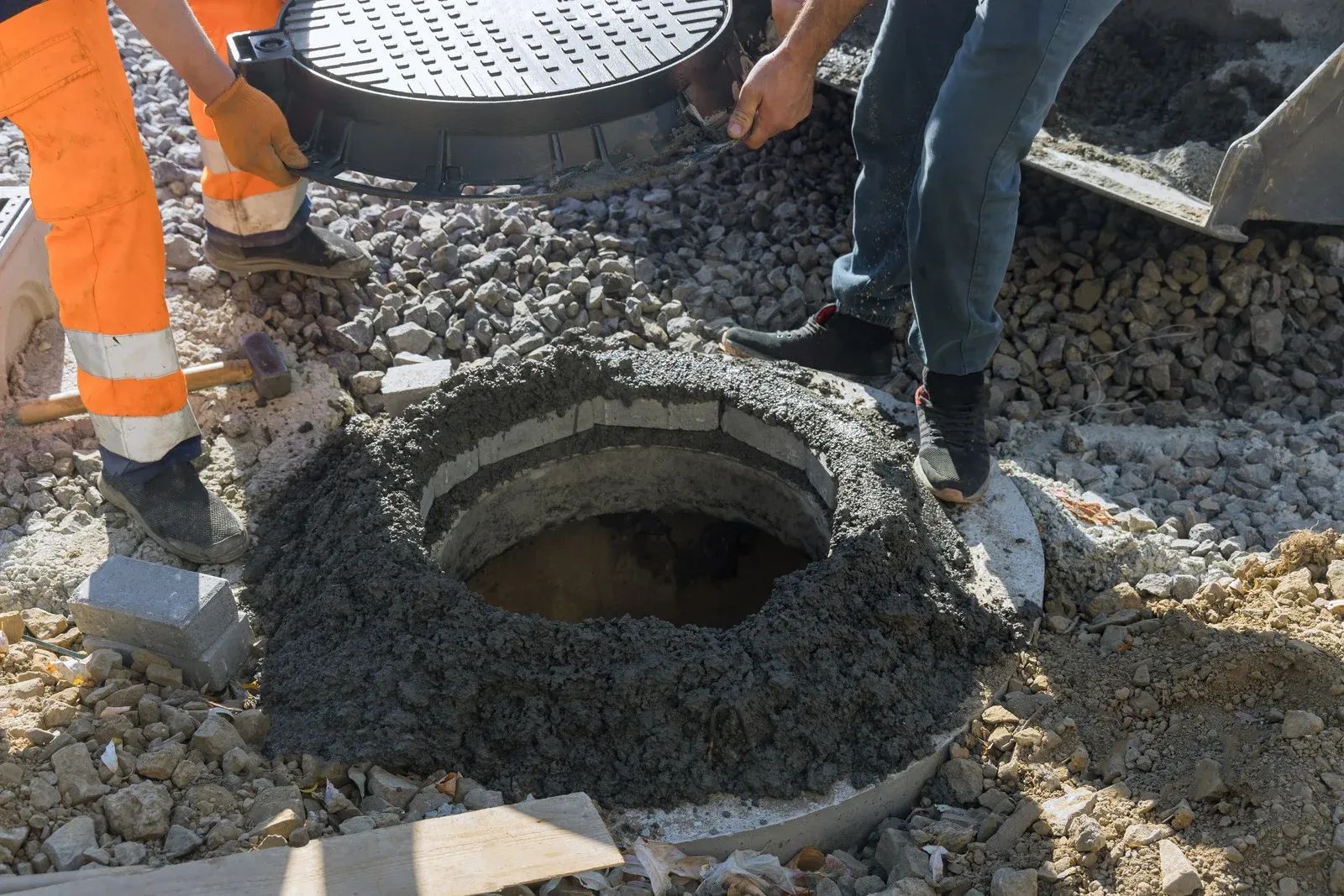
An annual plumbing inspection is a comprehensive evaluation of a property’s plumbing system. Technicians examine pipes, faucets, drains, water heaters, and fixtures to identify issues such as corrosion, leaks, or blockages. Modern inspections often incorporate advanced tools like video camera pipe inspections, which allow professionals to view hidden sections of piping without invasive demolition. This thorough approach ensures that potential problems are detected early, minimizing the risk of unexpected failures.
Why Regular Plumbing Inspections Are Critically Important
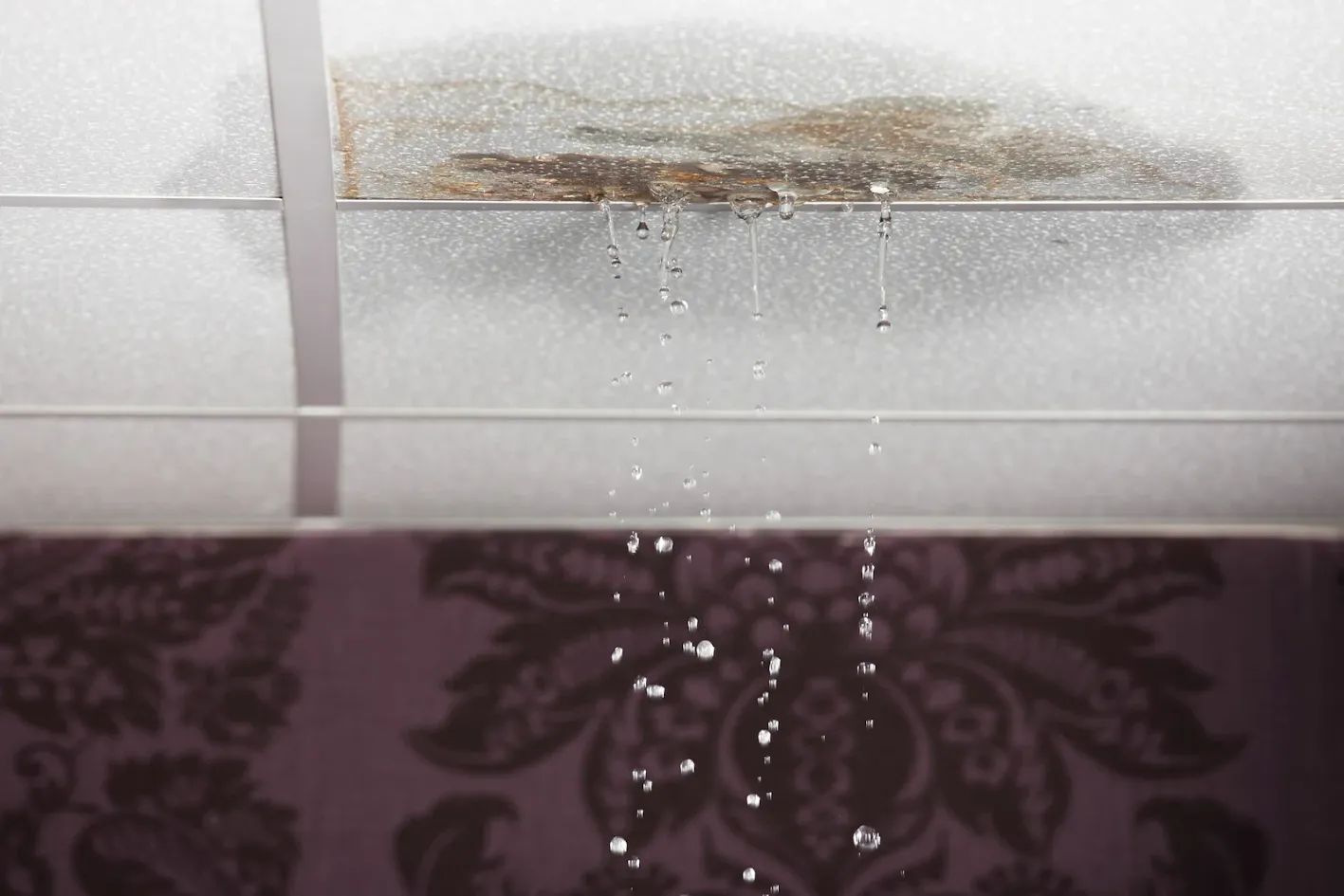
Water leaks are notorious for their subtlety. A slow drip behind a wall or under a sink can go unnoticed for months, gradually weakening structures and creating ideal conditions for mold. Annual inspections provide the opportunity to uncover these hidden problems before they escalate. Beyond leak detection, inspections can assess water pressure, verify proper drainage, and evaluate the efficiency of water heaters, contributing to overall system longevity.
Real-World Example Showing Preventive Inspection Benefits
Consider a homeowner who ignored small leaks in their kitchen sink for several months. What began as a minor inconvenience eventually caused water damage to cabinetry, subflooring, and nearby electrical wiring, resulting in repair costs far exceeding the expense of an annual inspection. This scenario highlights the financial and practical benefits of preventive plumbing care.
Identifying the Most Common Causes of Plumbing Leaks
Aging Pipes and Corrosion Leading to Structural Damage
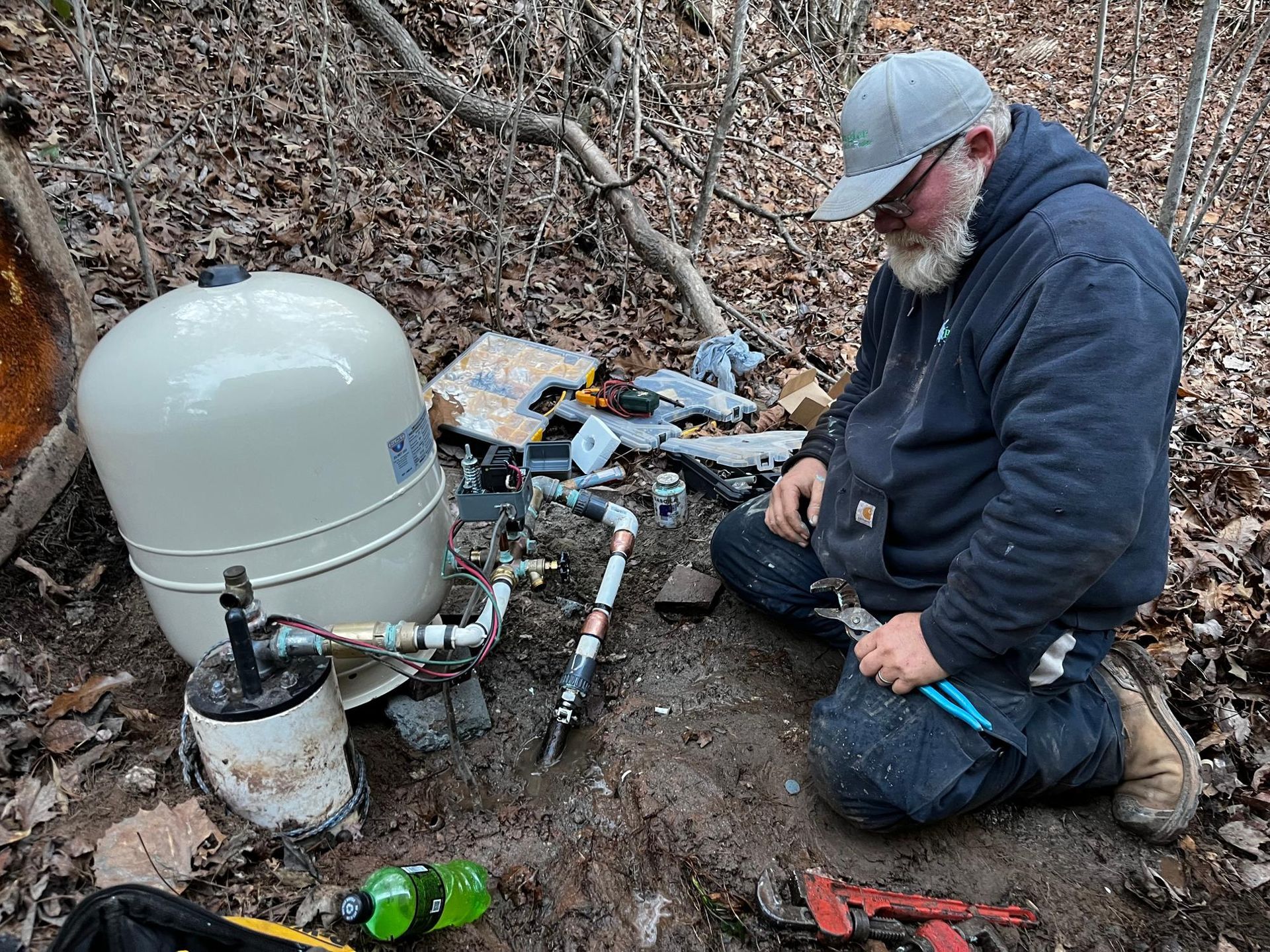
Over time, pipes naturally deteriorate due to mineral buildup, corrosion, and wear. Copper pipes may develop pinhole leaks, while galvanized pipes are prone to rust. Annual inspections can detect early signs of pipe degradation, enabling timely replacements before catastrophic leaks occur.
Temperature Fluctuations Creating Pipes Vulnerable to Cracks
Plumbing systems exposed to extreme temperature changes are at risk of expansion and contraction, which can weaken joints and cause cracks. Cold winters may lead to frozen pipes that burst, while high temperatures can accelerate pipe fatigue. Inspectors often recommend insulation or other preventive measures as part of annual maintenance.
Improper Installation or Past Repairs Causing Leaks
Even the most well-maintained plumbing system can experience leaks if pipes were installed incorrectly or previous repairs were substandard. Inspections assess fittings, solder joints, and connections to ensure everything meets industry standards, reducing the risk of hidden vulnerabilities.
Excessive Water Pressure Contributing to Pipe Failures
Excessive water pressure can stress pipes and lead to leaks at joints or fixtures. Annual inspections typically include pressure testing to ensure the system operates within safe limits, protecting both pipes and appliances.
Detecting Hidden Plumbing Leaks Before Major Problems
Recognizing Signs of Concealed Water Leaks Early
Advanced Leak Detection Methods Professionals Commonly Use
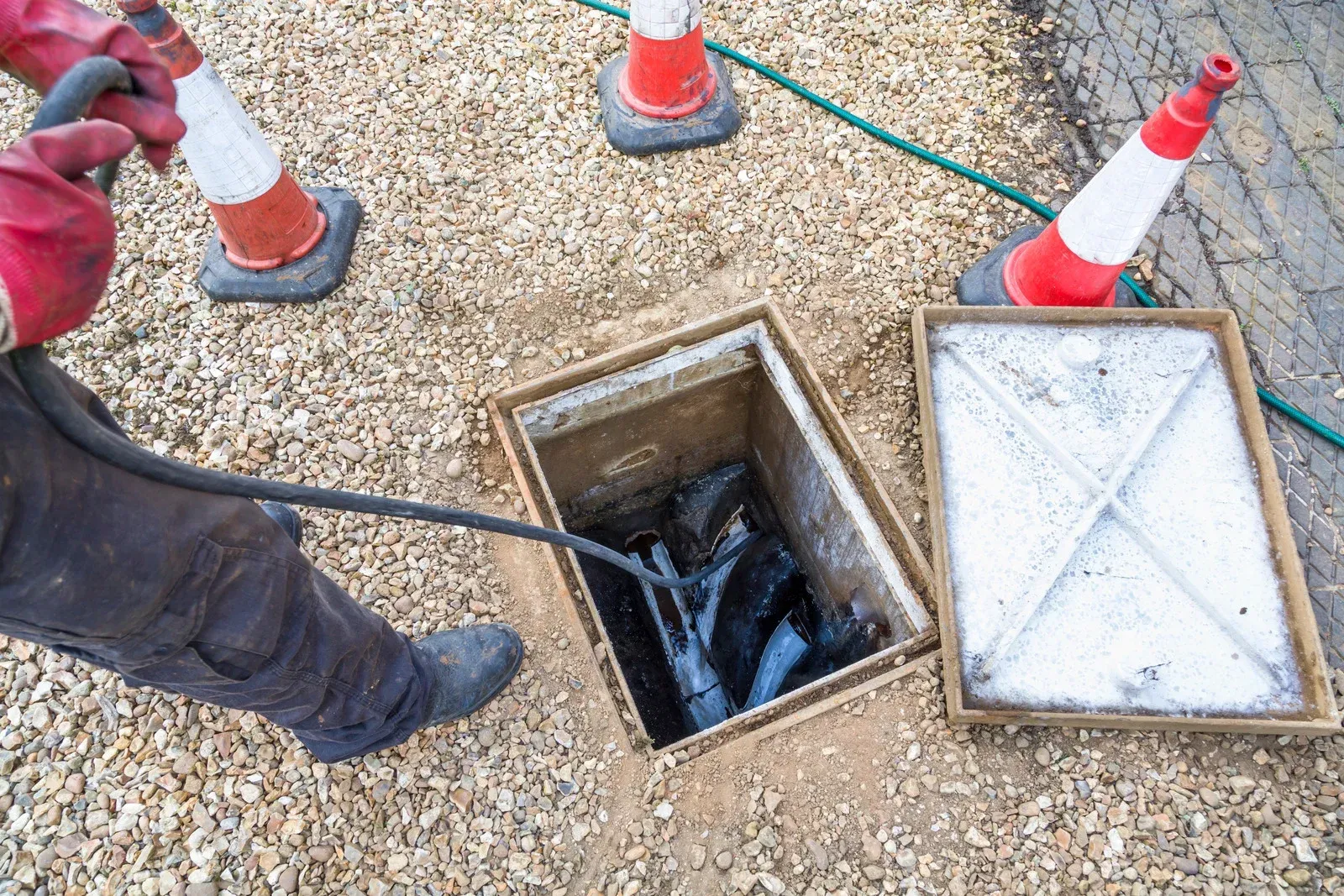
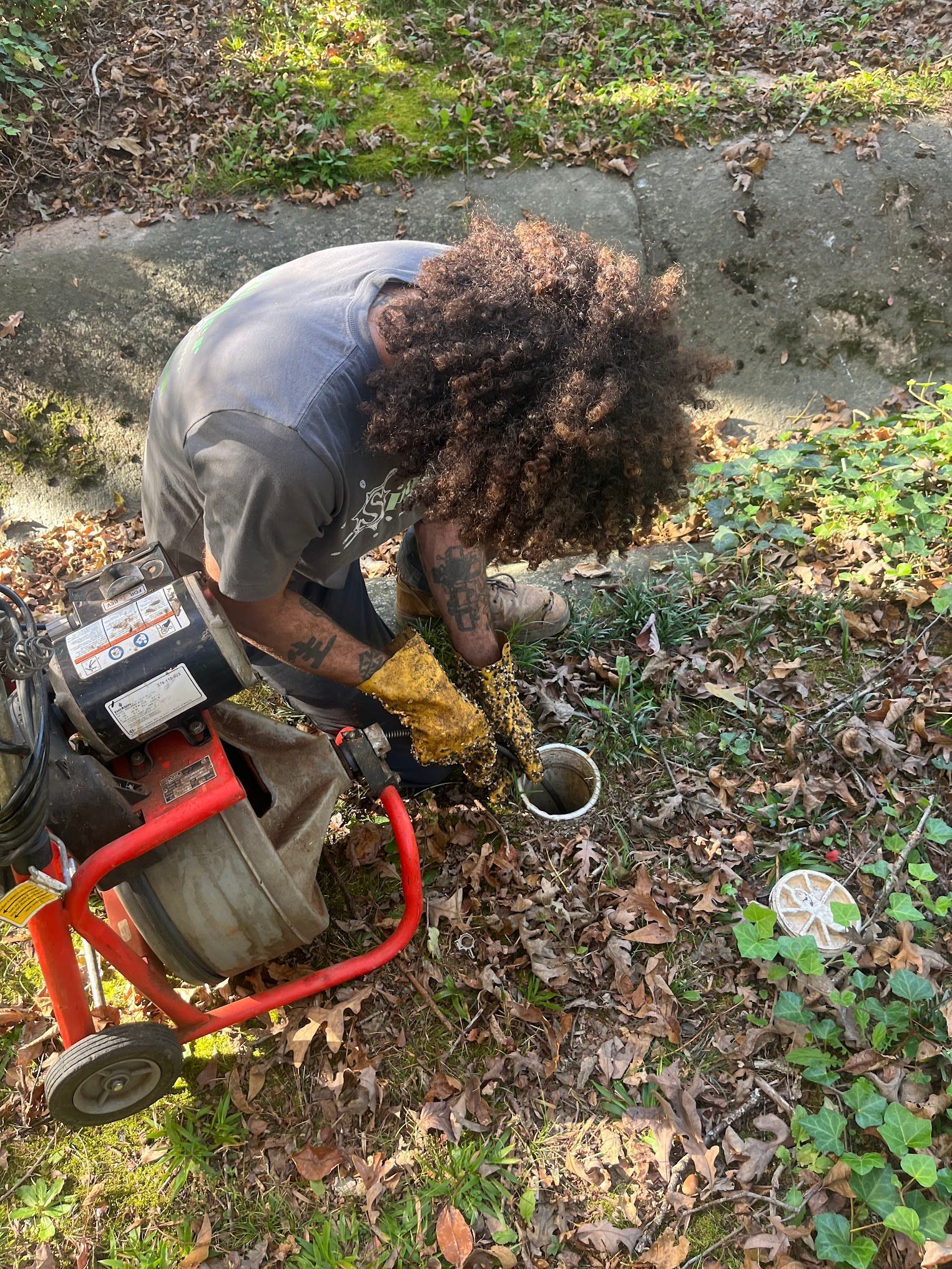
Professional plumbers use specialized tools such as thermal imaging cameras and moisture sensors to identify leaks behind walls and under floors. Video inspections of sewer and drain lines can reveal blockages or pipe damage without the need for costly demolition. These technologies ensure accurate diagnosis and reduce unnecessary disruption to the property.
Benefits of Detecting Plumbing Leaks Well in Advance
Catching leaks early prevents water damage, protects indoor air quality, and preserves structural integrity. Additionally, early intervention can extend the lifespan of appliances like
water heaters and washing machines, saving homeowners money over time.
Implementing Preventive Maintenance Strategies for Plumbing Systems
Routine Plumbing Checks and Maintenance Practices Recommended
Annual plumbing inspections are part of a broader preventive maintenance strategy. Regular maintenance may include checking water pressure, tightening loose fittings, cleaning drains, and flushing water heaters to remove sediment. These tasks reduce the likelihood of leaks and enhance overall system performance.
Upgrading Aging Plumbing Components to Avoid Failures
During inspections, plumbers may recommend upgrading outdated components, such as replacing old pipes with modern, corrosion-resistant materials or installing high-efficiency fixtures. These upgrades not only prevent leaks but also improve water efficiency, which can lead to lower utility bills.
Seasonal Precautions to Protect Plumbing From Damage
Preventive strategies often include seasonal preparations. In colder regions, winterizing pipes can prevent freezing and subsequent bursting. In warmer climates, inspecting irrigation systems and outdoor plumbing ensures they remain leak-free and efficient throughout the year.
Case Study Demonstrating Proactive Plumbing Maintenance Benefits
A commercial building in Gaffney underwent annual inspections and discovered early corrosion in several pipes supplying restrooms. By proactively replacing these pipes, the building avoided a major water leak that could have disrupted operations, illustrating the real-world impact of preventive plumbing measures.
Financial and Environmental Advantages of Preventive Inspections
Cost Savings Achieved Through Preventive Plumbing Measures
Investing in annual plumbing inspections may seem like an added expense, but the financial benefits far outweigh the costs. Repairing a small leak early can prevent extensive water damage, structural repairs, and mold remediation expenses, saving thousands of dollars in the long run.
Water Conservation Benefits From Early Leak Detection
Leaks waste significant amounts of water over time. According to the Environmental Protection Agency, household leaks can account for thousands of gallons of water loss annually. Detecting and repairing leaks through annual inspections contributes to water conservation efforts and reduces environmental impact.
Insurance Benefits When Plumbing Systems Are Well Maintained
Many insurance providers favor properties with regular maintenance records, including plumbing inspections. Prompt leak detection and repair can simplify insurance claims and reduce liability in the event of property damage.
Best Practices Homeowners and Businesses Should Follow
Scheduling Annual Inspections to Maintain Optimal Plumbing Health
Establishing a consistent schedule for inspections ensures plumbing systems remain in optimal condition. Many professionals recommend scheduling inspections at the same time each year to coincide with seasonal maintenance needs.
Choosing Licensed Professionals With Proven Plumbing Experience
Selecting licensed and experienced plumbers is critical. Certified professionals possess the knowledge, tools, and expertise to identify potential issues accurately and recommend effective solutions. Homeowners should verify credentials and consider reviews or references before hiring.
Keeping Comprehensive Records and Documentation for Plumbing Systems
Maintaining records of inspections, repairs, and maintenance helps track system health over time. Documentation provides evidence for warranty claims, resale value, and insurance purposes, creating a comprehensive history of property care.
Combining Inspections With Other Plumbing Services for Efficiency
Annual inspections can be paired with additional plumbing services, such as drain cleaning, water heater servicing, and fixture upgrades. This holistic approach ensures that all aspects of the plumbing system are addressed, reducing the likelihood of overlooked issues.
Safeguard Your Property with Professional Inspections
Annual plumbing inspections are essential for leak prevention, protecting both the property and its occupants from costly damage. By identifying potential issues early, such inspections allow for timely repairs, minimize water waste, and extend the life of plumbing systems. From aging pipes and temperature fluctuations to improper installations and high water pressure, proactive assessments address multiple factors that contribute to leaks. Implementing preventive maintenance strategies, leveraging advanced detection technologies, and adhering to best practices ensures long-term plumbing health and peace of mind. Homeowners and business operators alike can significantly reduce the risk of emergencies, protect indoor environments, and save on repair costs through consistent inspections.
For over three decades, Spangler Drain and Rooter
in Gaffney, South Carolina, has provided
trusted plumbing services with unmatched expertise. Our 30
years of experience enable us to conduct thorough annual inspections, detect hidden leaks, and implement preventive solutions tailored to each property. We pride ourselves on professional, reliable service, combining cutting-edge technology with hands-on experience. Choosing Spangler Drain and Rooter
means partnering with a team dedicated to safeguarding your home or business, minimizing unexpected plumbing emergencies, and delivering peace of mind through proactive care.